

What is Fitness Fans
Adding a fitness fans to your gym will help to circulate the air and increase ventilation. It will also help your customers feel cooler and more comfortable. And, impressively, large fitness ceiling fans will also help destratify the air. That means they will help to break up the temperature layers, equalizing the overall temperature in the room.
Benefits of Fitness Fans
Improved air circulation
Fitness fans can move large volumes of air at low speeds, creating a gentle breeze throughout the gym. This helps to distribute air evenly, preventing stagnant air pockets and reducing temperature variations. Improved air circulation can also help to remove odors, sweat, and airborne particles, creating a fresher and more comfortable environment for gym-goers.
Enhanced cooling
Fitness fans can help to cool down the gym by creating a wind chill effect. The gentle breeze generated by the fans can help to evaporate sweat from the skin, providing a cooling sensation for individuals exercising. This can improve comfort levels and allow gym-goers to work out for longer durations without feeling overheated.
Energy efficiency
Fitness fans operate at low speeds and consume less energy compared to traditional high-speed fans or air conditioning systems. By using fitness fans, gyms can reduce their energy consumption and lower their utility bills while still providing a comfortable environment for their customers.
Noise reduction
Fitness fans operate at low speeds, producing minimal noise compared to traditional high-speed fans or air conditioning systems. This can help to create a quieter and more peaceful workout environment, reducing distractions and allowing gym-goers to focus on their exercises.
Improved air quality
Fitness fans can help to improve the air quality in gyms by promoting air circulation and ventilation. This can help to remove stale air, reduce the concentration of airborne pollutants, and enhance the overall indoor air quality for gym-goers.
Odor control
Fitness fans can help to control odors in gyms by continuously circulating the air and preventing the buildup of unpleasant smells. This is particularly beneficial in areas with high humidity or where people engage in intense physical activities.
Why Choose Us
Our Certificates
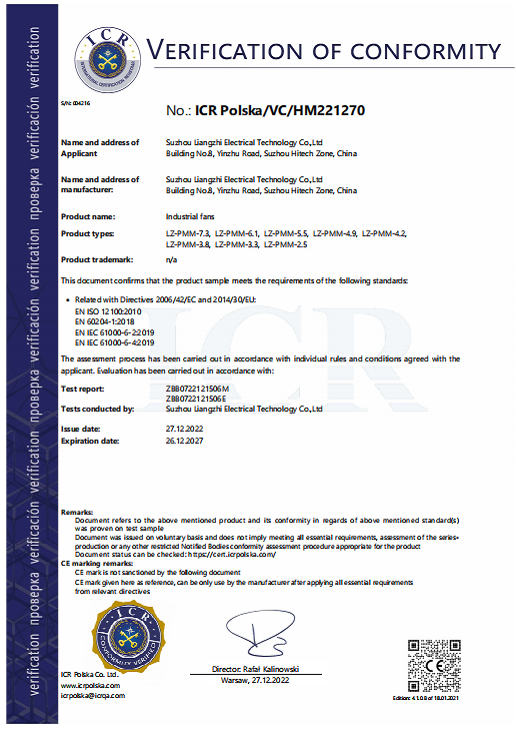
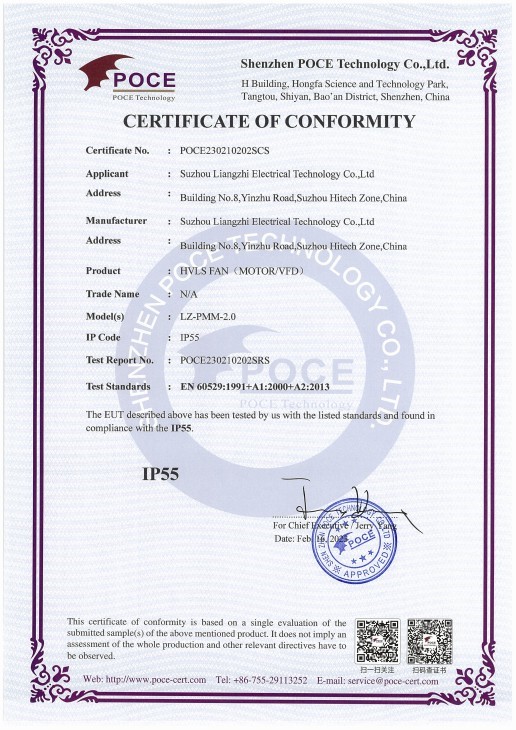
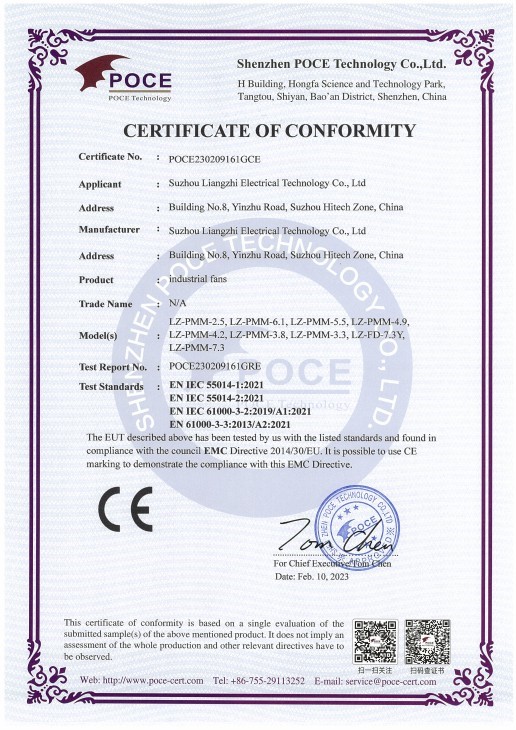
Our motor quality is at the forefront of the industry and we have certifications such as IS09001, CE, EMC and so on.
Product Application
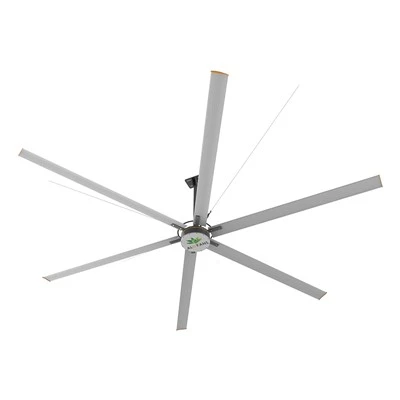
These products are suitable for various applications such as factories, warehouses, logistics centers, gyms, sports centers, shopping malls, food courts, barns, livestock barns, stables, and other open or high spaces in industrial and commercial sites.
Production Equipment
We use several types of production equipment, including wire-winding machines, drying cabinets, insulation withstand voltage testers, CMMs, dynamic balancing machines, motor comprehensive testers, and pneumatic presses.
Production Market
Our market extends across China, Europe, the Middle East, Asia, and South America. Each year, we sell around 12,000 sets of HVLS fans and 15,000 sets of PMSM motors.
Types of Fitness Fans
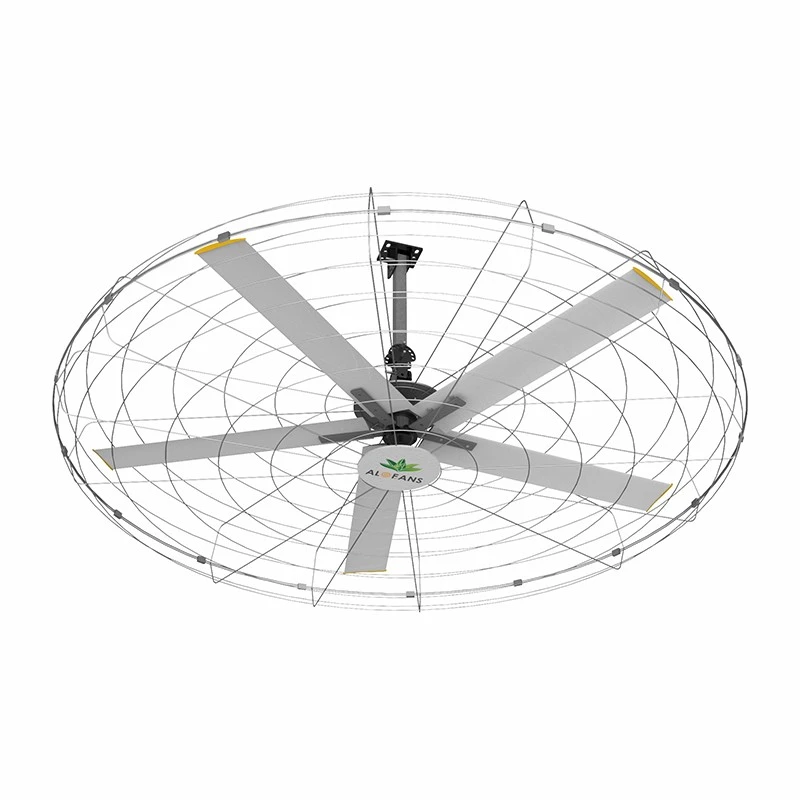
Flameproof HVLS Fans
Depending on the size of your health club or leisure facility, flameproof HVLS fans may be the perfect option. Flameproof HVLS fans are LARGE, ranging from 10 to 24 feet in diameter. These fans generate tremendous airflow and circulation throughout your facility. HVLS fans spin at a lower speed than standard residential ceiling fans, but their size means they move a high volume of air, effectively destratifying the air in your facility.
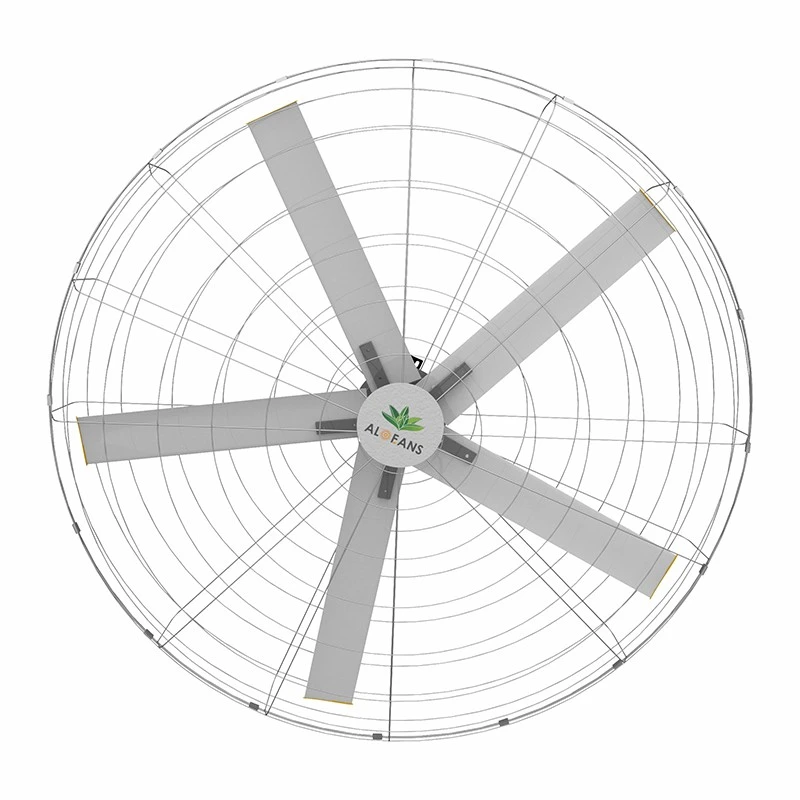
Fitness Ceiling Fans
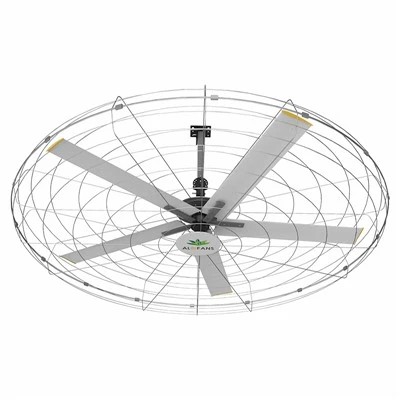
Available in sizes 6-24 feet in diameter, large fitness ceiling fans are a great way to cool down a gym. Unlike the small stream of fast-moving air produced by a traditional small ceiling fan, large fitness ceiling fans send out large columns of air that travel a greater distance, meaning they impact a larger area of the gym.
Fitness Wall Fans
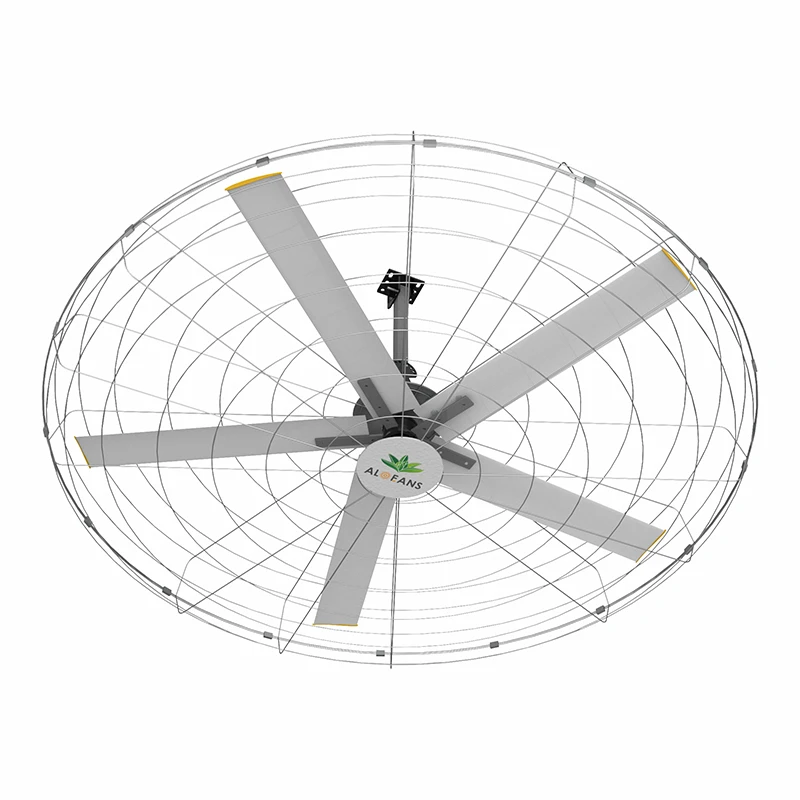
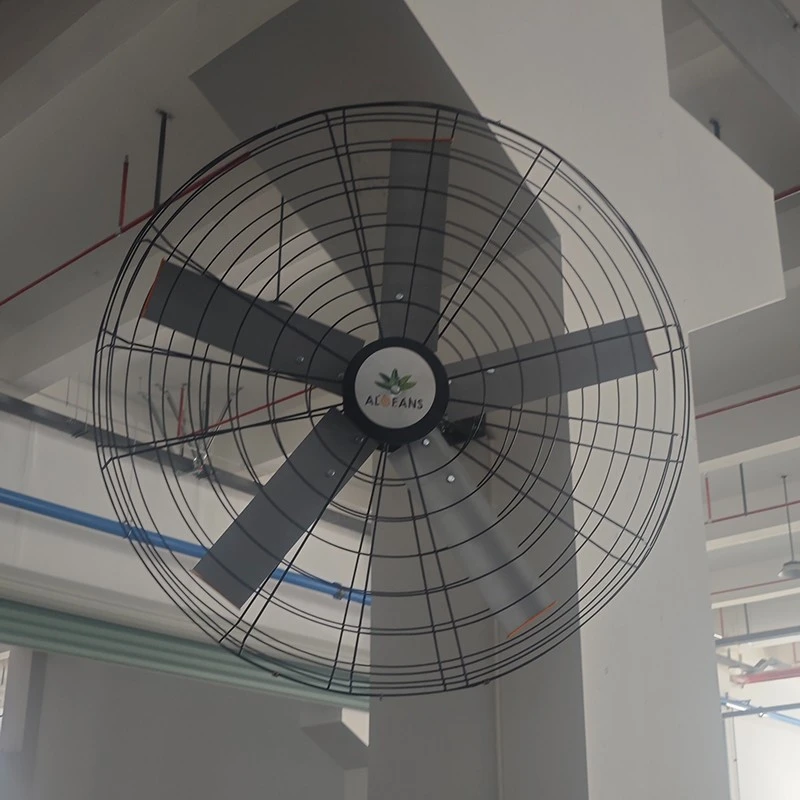
Generally, commercial gyms have smaller space and ceiling below 3 meters, so installing large ceiling fans poses a safety risk. Fitness wall fan effectively accelerates air, removes heat and odors in the sports area, and flexibly adjusts various air supply angle to make your gym more popular with users. Fitness wall fan is a fan widely used in gyms. It has the advantages of large air volume, high safety, low noise and easy installation.
What Materials are Fitness Fans Made of?
Metal (Steel, Aluminum): Blades made out of metal are also long-lasting. They perform exceptionally well due to minimal air resistance. Lightweight and rust-resistant, often used for more premium models.
Carbon Fiber: Occasionally used for high-end fans due to its strength and lightweight properties.
Plastic: Plastic blades are a material with many advantages. For example, plastic blades are very easy to clean. Lightweight and resistant to impact.
Mounting Bracket
The mounting bracket securely anchors the fans to the ceiling, providing stability. The down rod connects the fan's motor to the mounting bracket and determines the fan's distance from the ceiling, ensuring proper airflow and safety.
The Down Rod
One of the critical parts of a fitness ceiling fan is the down rod. The down rod is responsible for connecting the fan's motor to the mounting bracket and plays a pivotal role in determining the fan's height from the ceiling.
Canopies
Canopies are essential components of fitness ceiling fans, serving both functional and aesthetic purposes. These parts play a crucial role in ensuring the fan's safety and appearance.
Ball Bearings
Within the components of a fitness ceiling fan, ball bearings are the unsung heroes. These small, yet vital parts, ensure the smooth and quiet operation of your fan. Ball bearings are typically found in the motor of the fan and facilitate the rotation of the blades.
The Electric Motor
The electric motor is the central and most crucial part of a fitness ceiling fan, responsible for its functionality. The electric motor converts electrical energy into mechanical energy, driving the rotation of the fan's blades.
The Blade Bracket
One of the essential components of a fitness ceiling fan is the blade bracket. It plays a crucial role in ensuring the stability and proper function of the fan's blades.
Blades
The blades of a fitness ceiling fan are its most visible and vital components, responsible for creating airflow and maintaining comfort in a room.
3-Blades: Three blade fans tend to be kinder on the hip pocket. They are also aesthetically pleasing with a dynamic blade balance. Three blade fans also have high speeds and, with fewer parts, they require less energy to rotate. However, some three blade fans can be noisier than ceiling fans with more blades.
4-Blades: Many people appreciate four blade fans because of the symmetry in the number of blades. They are less noisy than three blade fans. They usually come in many different designs. However, they are pricier than most three blade fans.
5-Blades: Five blade fans is the ideal choice. Five blade fans generate regular airflow because of the proximity of each blade. Also, five blade fans are usually the quietest of the three mentioned.
How to Choose the Right Fitness Fans
Consider the Size of Your Gym
When choosing a fitness fan, it is important to consider the size of your gym space. The size of your gym will determine the airflow and cooling capacity needed from the fan. Consider the space the fan will occupy when it is in use. Make sure it does not obstruct your workout area or equipment. If your gym has low ceilings, consider the height of the fan to avoid any obstructions.
Types of Gym Fans
When it comes to fitness fans, there are several types to choose from based on your specific needs and preferences. Ceiling fans are a popular choice for gyms as they provide a widespread airflow and help circulate the air in the entire room. They are also great for maintaining a consistent temperature. If you have limited floor space, wall-mounted fans are a great option. They can be easily installed on the wall and provide a focused airflow. It's important to select a fan that suits your specific needs and enhances your workout experience.
Noise Level
When choosing a fitness fan, one important factor to consider is the noise level. A noisy fan can be distracting and disrupt your workout experience. Look for fans that are specifically designed to operate quietly, with noise levels below a certain decibel range. This will ensure that you can focus on your exercises without any unnecessary disturbances.
Adjustable Settings
When choosing a fitness fan, it is important to consider the adjustable settings it offers. These settings allow you to customize the airflow and direction of the fan to suit your preferences and needs. Being able to adjust the fan speed allows you to control the intensity of the airflow. This is especially useful during intense workouts when you may need a stronger breeze to keep cool. Having these adjustable settings gives you the flexibility to create the perfect environment for your workouts, maximizing your comfort and performance.
Energy Efficiency
When choosing a fitness fan, energy efficiency is an important factor to consider. Not only does an energy-efficient fan help reduce your carbon footprint, but it also saves you money on electricity bills in the long run. Look for fans that are labeled with an Energy Star certification, as these models are designed to consume less energy without compromising on performance.
Durability
Durability is a crucial factor to consider when choosing a fitness fan. It refers to the fan's resistance to force and weight, indicating how well it can withstand rigorous use over time. A fan with a higher maximum load capacity is generally more durable and reliable.
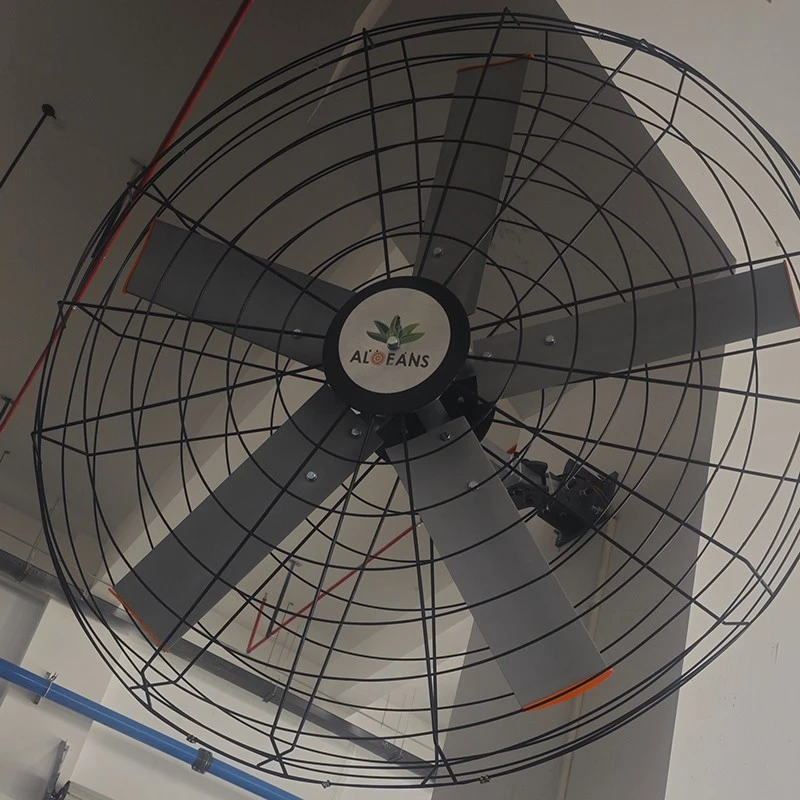
When determining the ideal placement for your fitness fan, there are a few factors to consider. First, you'll want to ensure that the fan is positioned in a way that allows for optimal airflow throughout the space. This means placing the fan in a location where it can effectively circulate air to all areas of the gym. Additionally, it's important to consider the size and layout of your gym. If you have a larger gym, you may need multiple fans strategically placed to ensure adequate air circulation. On the other hand, a smaller gym may only require one fan placed in a central location. Finally, be mindful of any obstacles or obstructions that could impede the airflow, such as equipment. By carefully considering these factors, you can determine the ideal placement for your fitness fan and maximize its effectiveness.
How to Maintain Fitness Fans
Regular Cleaning
Regular cleaning is essential to maintain the performance and longevity of your fitness fan. Dust and debris can accumulate on the fan blades and hinder its airflow, reducing its effectiveness. Use a soft, dry cloth or a brush to gently remove dust from the fan blades and grille. For stubborn dirt, you can dampen the cloth slightly with water or a mild cleaning solution. Avoid using harsh chemicals or abrasive materials that can damage the fan. Regular cleaning not only keeps your fitness fan running smoothly but also helps maintain good air quality in your workout space.
Checking for Loose Parts
Regularly inspect your fitness fans for any loose parts. Loose parts can affect the fan's performance and potentially cause damage or injury. Start by checking the fan blades and ensure they are securely attached to the motor. Tighten any loose screws or bolts. Next, examine the fan grille and make sure it is properly fastened. Loose grilles can be a safety hazard, especially if they detach while the fan is in operation. If you notice any loose parts, tighten them or seek professional assistance if needed.
Replacing Worn-out Components
When it comes to maintaining your fitness fans, it's important to regularly check for and replace any worn-out components. Over time, the constant use of the fan can cause parts to wear down or become damaged, which can affect its performance and efficiency. The fan blades are responsible for generating airflow, so it's crucial to ensure they are in good condition. If you notice any cracks or signs of wear on the blades, it's time to replace them.
Certificate




FAQ
As one of the leading fitness fans manufacturers and suppliers in China, we warmly welcome you to wholesale cheap fitness fans from our factory. All our products are with high quality and competitive price. Contact us for quotation.
GYM CEILING FANS, BIG FITNESS FANS, GYM WALL FANS